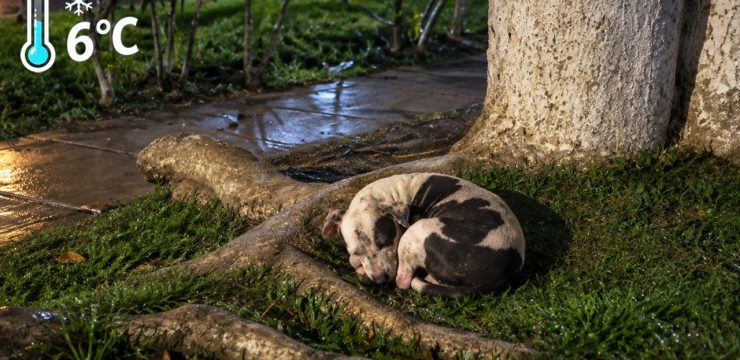
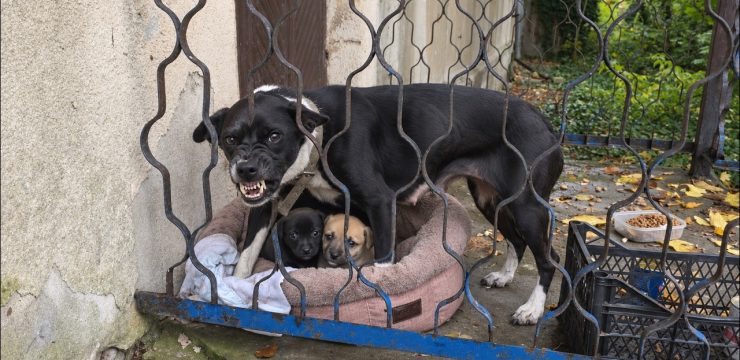
She was only nine months old, yet she already knew more hardship than any puppy should experience in a lifetime.
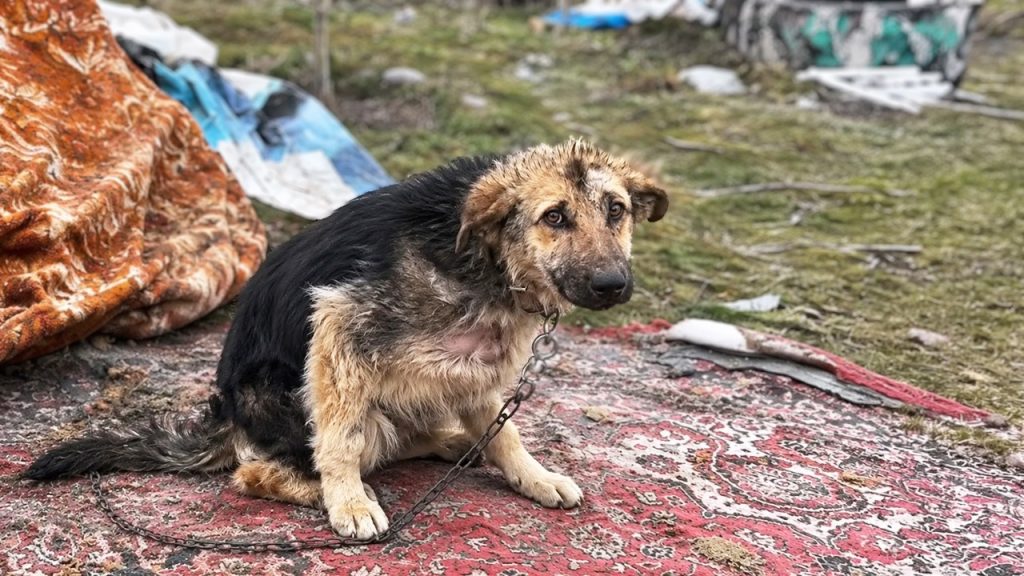
Unable to use her back legs properly and confined by a chain, Aurora was trembling with cold and fear when someone finally came to help her.
Puppyhood should be filled with playful moments, gentle affection, and the comforting presence of a family. For Aurora, however, life had been painfully different. Her paralysis made even the simplest movements difficult, and the chain around her neck limited what little freedom she had. Instead of receiving the special attention her condition required, she had been left in circumstances that offered little comfort or security.
When a rescuer named Liza and her team arrived, they were deeply saddened by what they discovered. Aurora looked weak, exhausted, and frightened. There was something especially moving about seeing such a young dog in such poor condition. Her eyes seemed to express a quiet plea for kindness, while her trembling body revealed just how vulnerable she was.
As difficult as it was to witness Aurora's condition, the owner's reaction brought another painful realization. When confronted about the puppy's situation, he showed little concern for her suffering. There was no meaningful expression of remorse or apparent determination to provide the medical attention she desperately needed.
He surrendered Aurora without displaying the emotional attachment one might expect from someone responsible for such a vulnerable young animal.
For Liza and her fellow rescuers, leaving Aurora behind was not an option. Her physical limitations made her dependent on others, and she deserved to be surrounded by people willing to meet those needs with patience and compassion.
The team removed the chain that had restricted her movements and gently carried her away. Aurora continued trembling, frightened and uncertain about everything happening around her. Yet she did not resist as the rescuers took her into their care.
She was wrapped up, comforted, and transported for medical attention. For a puppy who had endured so much neglect, these simple acts of kindness represented an important new beginning.
Aurora received a thorough medical examination and treatment. Her paralysis meant that she required particularly gentle handling, along with additional patience and attention. The rescuers understood that improving her physical condition would be only one part of helping her recover.
She also needed to experience what it meant to feel safe around people.
Proper meals, warmth, cleanliness, and comfortable rest became part of her new life. The chain was gone, and in its place were caring people who understood her vulnerability. They spoke gently to her, stroked her affectionately, and offered reassurance as she adjusted to her surroundings.
There was no expectation that Aurora would immediately overcome everything she had endured. Recovery required patience, and her caregivers gave her the opportunity to progress without unnecessary pressure.
Gradually, their dedication began to make a difference. Aurora started eating better, regaining strength, and showing greater interest in the world around her. The fear that had once been so apparent began to fade as she grew more comfortable with the people caring for her.
Her progress was meaningful not because it happened quickly, but because every improvement represented something she had previously been denied. She was receiving medical care, experiencing kindness, and discovering the security that comes from having dependable people nearby.
Little by little, the frightened puppy began to relax. Her growing curiosity and willingness to trust reflected an encouraging emotional transformation. Although her physical challenges remained an important part of her care, they no longer defined the quality of love she could receive.
Aurora's journey is a touching reminder that a dog with a disability is no less deserving of affection than any other animal. The inability to move freely does not diminish a dog's value, nor does it take away the possibility of experiencing happiness, companionship, and belonging.
Liza and her team gave Aurora more than an escape from neglect. They provided the medical attention she needed and the compassionate environment in which she could begin rebuilding her confidence.
Aurora remained with the people who had rescued her, surrounded by affection and prepared to embrace a happier life. She would no longer have to endure the confinement of a chain or depend on someone who showed little concern for her well-being.
Her future was finally filled with reasons for hope. Whatever challenges her condition might bring, she now had caring people by her side.
There is something profoundly beautiful about giving a vulnerable animal the opportunity to experience kindness. Aurora could not change the circumstances of her early life, but compassionate people were able to change what came next.
At just nine months old, she deserved a childhood filled with tenderness rather than neglect. She deserved gentle hands, nourishing meals, comfortable rest, and the reassurance of knowing that her needs mattered.
Now, Aurora has the chance to experience the happiness that should have been hers from the very beginning.
Her story reminds us that every animal, regardless of age, physical ability, or difficult circumstances, deserves to be treated with dignity. Sometimes, the greatest gift we can offer a neglected animal is the promise of continued care, expressed not through words, but through patient and loving actions.
Aurora was never worth any less because her legs could not carry her. She simply needed someone willing to recognize the precious life that had been there all along.