Toy was just a little puppy when the person who should have protected him became the source of his suffering.
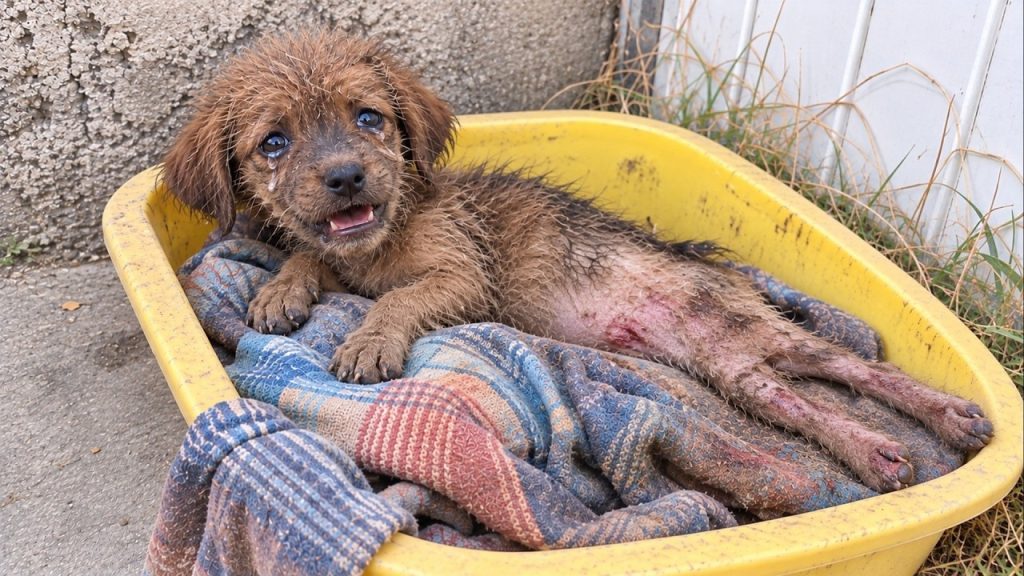
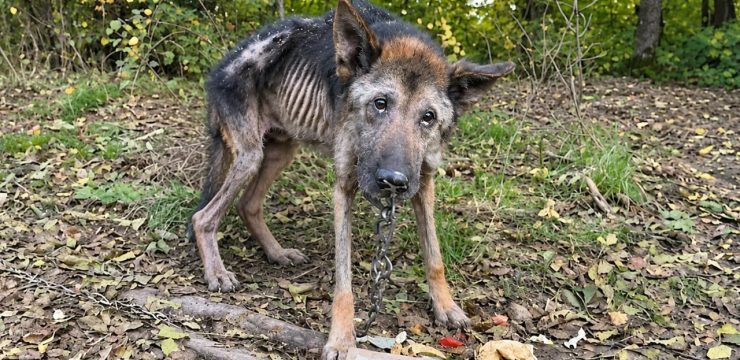
Abandoned outside an animal shelter after severe abuse, he was left in critical condition, unable to walk and struggling to survive. His small body had endured more pain than any innocent animal should ever have to experience. Yet beneath all those injuries was a determined little dog whose journey was far from over.
For most puppies, the beginning of life should be filled with gentle hands, safe places to sleep, and the comfort of knowing someone will always be there. Toy had been denied that simple security. Instead of receiving the care and affection he needed, he suffered terrible mistreatment from his owner before being abandoned when he was most vulnerable.
When rescuers discovered him outside the shelter, his condition was alarming. Toy had severe wounds, a fractured hip, and damage to his spine. The injuries had left his back legs paralyzed, taking away his ability to walk. He was a tiny puppy facing enormous physical challenges, and his chances of survival appeared painfully uncertain.
But his injuries were only part of the crisis.
Toy was also suffering from parvovirus, a dangerous viral disease that can be especially devastating to young puppies. His weakened body was fighting several serious problems at once. The combination of infection, physical trauma, and paralysis made his situation particularly difficult. There was no simple treatment that could erase everything he had endured, and nobody could promise that he would recover.
For the people caring for him at Refugio Buenos Chicos, the priority was giving Toy every possible opportunity to survive. He needed urgent veterinary attention, careful monitoring, and continued support. His condition demanded much more than kindness alone, but kindness was an important part of the environment surrounding his medical care.
Toy had already learned that human hands could cause pain. After being mistreated by someone he depended on, he was understandably frightened of people. Even as his rescuers worked to address his physical condition, another challenge remained: helping him discover that not every person represented danger.
Trust cannot be demanded from a frightened animal. It must be earned through patience, consistency, and gentle treatment. For Toy, rebuilding that trust became part of his recovery. The people around him understood that healing involved more than treating injuries. He also needed the chance to feel safe in the presence of those who wanted to help him.
Little by little, their efforts began to make a difference.
One of the most important turning points came when Toy overcame parvovirus. Surviving the illness was a tremendous step forward for a puppy who had been fighting so many serious conditions. Although his physical injuries still presented major obstacles, defeating the infection meant that one of the most immediate threats to his life had been overcome.
His recovery was not complete, however. The damage to his hip and spine continued to affect his mobility, and the paralysis in his back legs raised difficult questions about his future.
Veterinarians initially believed Toy might never walk again.
For anyone who loves animals, that possibility carries a particular sadness. Puppies are usually associated with movement, curiosity, and the freedom to explore their surroundings. Toy had barely begun his life before his ability to move had been severely compromised. The thought that he might never regain that freedom was difficult to accept.
Still, the medical outlook did not mean that his caregivers would stop helping him. Toy continued receiving rehabilitation and persistent care, with the hope that his condition might improve. His progress required attention, patience, and an understanding that recovery from such serious injuries could not be rushed.
And then something encouraging began to happen.
Through rehabilitation, Toy gradually regained strength and mobility. The puppy who had once been unable to use his back legs started making progress beyond what doctors had originally expected. Each improvement mattered, not because it erased his past, but because it represented another ability he was beginning to recover.
His journey challenged the early fears about what his injuries would mean for the rest of his life. Although his condition had initially suggested that walking might never be possible, his continued progress demonstrated that his future held more possibilities than anyone had first anticipated.
Alongside these physical improvements, Toy was learning to trust people again. The frightened puppy who had experienced cruelty was beginning to accept the gentleness and care offered by those helping him. His recovery was both physical and emotional, shaped by professional treatment and a steady environment of compassion.
What made Toy's progress especially meaningful was the contrast between where he had started and what he was gradually becoming capable of doing. He had arrived at the shelter badly injured, frightened, and unable to walk. Now, with support, he was developing greater mobility and experiencing the kind of care every puppy deserves from the beginning.
Eventually, Toy's journey brought another beautiful change.
He was welcomed into a loving family.
After everything he had survived, Toy finally had a home where his needs mattered and where he could experience safety and affection. He also made wonderful new friends, adding companionship to the life that had once been marked by abandonment and suffering.
For a puppy whose earliest experiences had included such profound mistreatment, finding a family was more than a change in surroundings. It meant having people committed to his well-being. The security he had been denied was now part of his everyday life.
It would have been a comforting place for his story to end. Toy had survived a devastating illness, made remarkable progress with his mobility, rebuilt his trust in people, and found a family who loved him.
But another serious challenge was waiting.
Doctors discovered that Toy had a heart condition requiring urgent surgery. After overcoming so many obstacles, he was facing yet another medical crisis. The discovery was especially troubling because he had already endured severe injuries, paralysis, and a dangerous infection.
His previous progress could not protect him from this new problem. The heart condition required medical intervention, and surgery carried the seriousness that comes with treating a vulnerable animal facing a major health issue.
For Toy and those who cared about him, this was another uncertain chapter. His earlier recovery had given everyone reasons to hope, but his new condition needed to be addressed on its own terms. There was no guarantee that surviving previous illnesses and injuries would make this challenge easier.
Thankfully, the operation was successful.
Toy survived his heart surgery, giving him another opportunity to enjoy the life he had fought so hard to reach. It was a deeply meaningful outcome for a little dog who had already faced circumstances that once made survival seem unlikely.
His successful surgery did not change the cruelty of what had happened to him, and it did not make those early experiences any less serious. Nothing could justify the suffering he endured. But the care he received afterward helped create a future that was very different from the one his abandonment seemed to predict.
Toy was no longer the helpless puppy left outside a shelter in critical condition. He had overcome parvovirus, regained mobility beyond the initial expectations, learned to trust people again, and found a loving home. After another frightening medical setback, he had survived heart surgery as well.
Today, Toy is loved and cared for, with the opportunity to enjoy a happier and safer life. His journey stands as a reminder of what can become possible when an animal in desperate need receives medical treatment, patient rehabilitation, and genuine human compassion.
There is something especially moving about seeing a small animal receive the tenderness that should have been there all along. Toy never deserved the abuse he suffered, and his courage should never have been something he needed simply to survive.
Yet his experience also reveals the importance of refusing to define an animal solely by its injuries or the cruelty of its past. A frightened puppy can learn to feel safe again. A dog facing serious mobility limitations may make meaningful progress with appropriate care. And an animal who has known abandonment can still find the warmth of a family.
Toy's journey was not a simple path from suffering to happiness. It included difficult medical challenges, uncertain expectations, gradual improvements, and a serious setback even after he found a home. What carried him through those chapters was a combination of his resilience and the dedication of people who continued caring for him.
His life is a powerful reminder that compassion is most meaningful when it becomes action. It is found in providing treatment when an animal is suffering, offering patience when trust has been damaged, and remaining committed when recovery is difficult.
Toy may be a small dog, but his journey speaks to something much greater. Every animal deserves to be treated with kindness, to receive care when vulnerable, and to have the chance to live without fear.
He was once abandoned when he needed protection the most. Now he has the love, companionship, and security that should have surrounded him from the beginning.
And perhaps that is the most beautiful part of Toy's story: the suffering he experienced did not have the final word. Because people chose to care for him, his life could continue in the safety of a loving home, where his future is defined not by abandonment, but by the second chance he so deeply deserved.