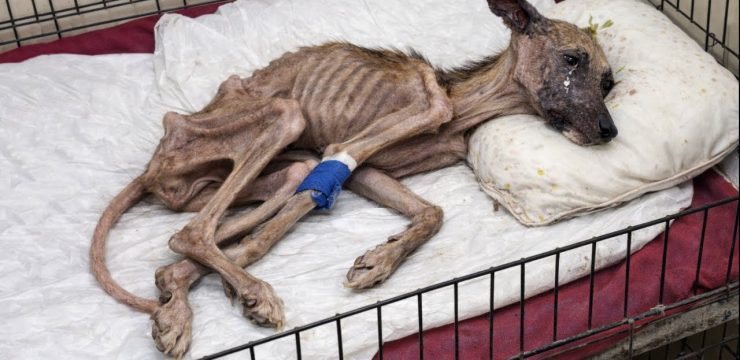
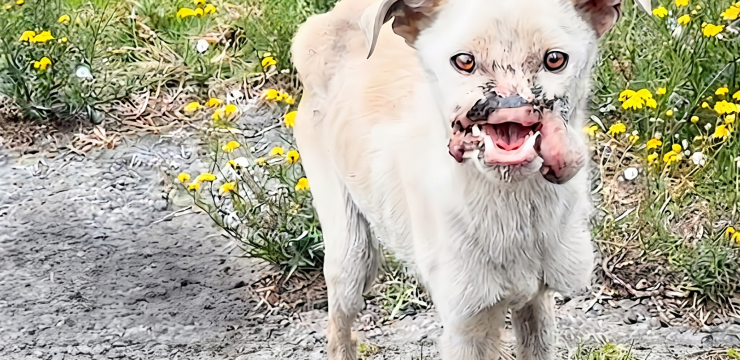
When rescuers found him in Armavir, he was little more than skin and bones. He could not walk on his own. The small, frightened dog was alone, desperately weak, and in need of medical help that could not wait.
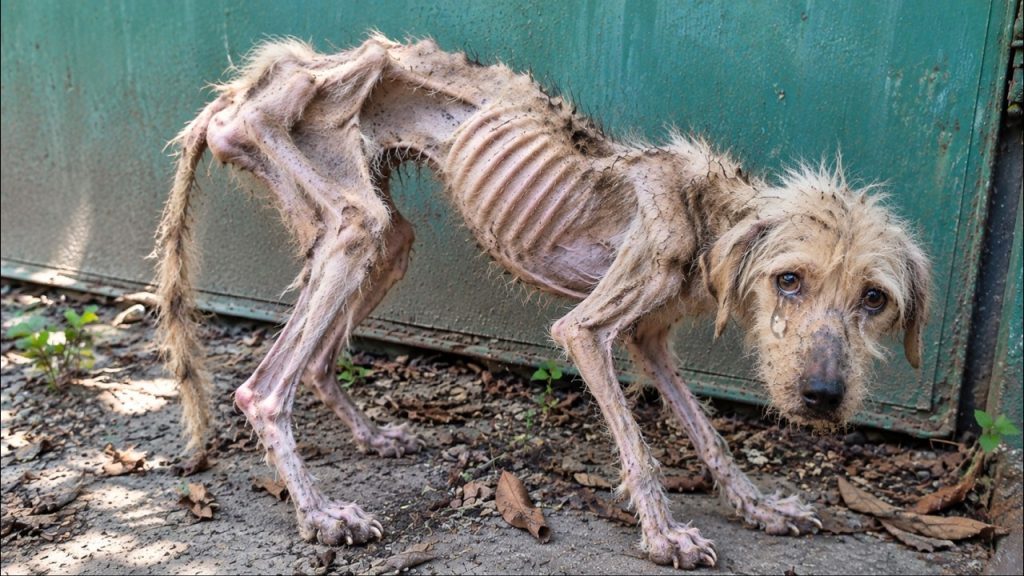
They named him Vito, a name meaning “life.” It was a hopeful choice for a dog whose very survival was uncertain. He weighed just six kilograms, about thirteen pounds, and the list of problems confronting him was overwhelming.
Vito was severely dehydrated and malnourished. He had a serious infection, a heart murmur, and heartworm disease. His rescuers brought him to a veterinary hospital in Moscow, where intensive care began. Nothing about his condition suggested an easy recovery. Keeping him alive required careful treatment, constant attention, and a willingness to face one complication after another.
Even the simple act of feeding him was difficult. His digestive system was not functioning properly, so veterinarians provided nutrition intravenously while introducing food in tiny portions. His body needed nourishment, but it could not yet manage the meals that a healthy dog would take for granted.
Then there was the anemia. It was so severe that Vito needed multiple blood transfusions. His medical team also treated fleas, intestinal parasites, and painful pressure sores caused by his weakened condition. Each problem demanded attention, even as the larger question remained: could this fragile dog become strong enough to recover?
There was no single treatment that could make everything better. Vito needed skilled veterinary care and the patience to let his body regain functions that had nearly failed him. The people helping him kept working through the setbacks, one necessary step at a time.
Eventually, the first important turning point arrived. Vito’s condition stabilized. His digestive system began working again, and he became well enough to leave the hospital. For a dog who had arrived unable even to walk, that was an enormous achievement. Still, he was not finished healing.
A foster family welcomed Vito into their home. At first, he was frightened. After everything his body had endured, an unfamiliar home was another change to understand. But safety and steady care gradually made a difference. His fear began to ease, and small signs of a happier life appeared.
He wagged his tail for the first time. He made friends with a cat. He began putting on weight and learned to move around on his own. Before long, he was even barking to protect the yard. These were ordinary things for many dogs, but for Vito, each one marked a remarkable step away from the helplessness in which he had been found.
His foster family had reason to feel hopeful. The dog who once could not stand was discovering how to move through a home and participate in everyday life. His personality was becoming easier to see. He was friendly, clever, and increasingly comfortable with the people caring for him.
Yet recovery brought another painful discovery.
Although Vito was growing stronger, veterinarians noticed that his eyes did not respond to light. Further examination by an eye specialist confirmed something that could not be changed: damage to his optic nerves had left him completely blind.
It was difficult news in a journey already filled with medical challenges. Vito had survived severe weakness, infection, and anemia, only to face life without sight. For the people who loved him, the diagnosis meant understanding that his future would look different from what they might have hoped.
But blindness did not keep Vito from embracing that future. He adapted remarkably well. He moved with confidence, and he continued to run and play without the fear someone might expect. His world had changed, but his desire to explore it had not disappeared.
Meanwhile, his body continued to recover. His weight climbed beyond ten kilograms, more than a modest gain for a dog who had once weighed only six. His improved condition was encouraging, though treatment for his heartworm disease was still an important part of his care.
A heart ultrasound revealed one adult heartworm. Vito began a course of medication specifically intended to address the infection. His progress was never simply a matter of gaining weight or looking healthier. He still required veterinary monitoring and medical decisions aimed at protecting the life he had fought so hard to keep.
Through it all, his foster family cared for him attentively. Vito learned to follow commands and showed just how intelligent and affectionate he could be. The dog once found alone and panicked was now living among people who treated his well-being as something worth protecting. He did not need perfect eyesight to recognize the rhythms of a caring home.
As his health improved, another possibility opened before him: a permanent family. Foster care had offered refuge and a chance to heal, but Vito also deserved the security of a home where he could belong for the rest of his life.
Then a kind family learned about Vito and decided to adopt him. After all he had been through, he finally had a forever home. The decision was a beautiful answer to the uncertainty that had surrounded his earliest days in rescue.
And the change in Vito was plain to see. His coat grew back beautifully. He looked healthy and full of energy, running joyfully through the snow. The dog who had once been too weak to walk was now moving freely, with the confidence of a life transformed. The progress was especially moving because it had come through careful treatment, not sudden change.
His blindness remained part of his story, but it did not define the whole of it. Neither did the frightening condition in which rescuers had discovered him. What endured was the care that carried him through illness, the patience that helped him regain strength, and the families who made room for him.
Vito’s name meant “life.” At last, he had the chance to enjoy it, safe, cherished, and home.