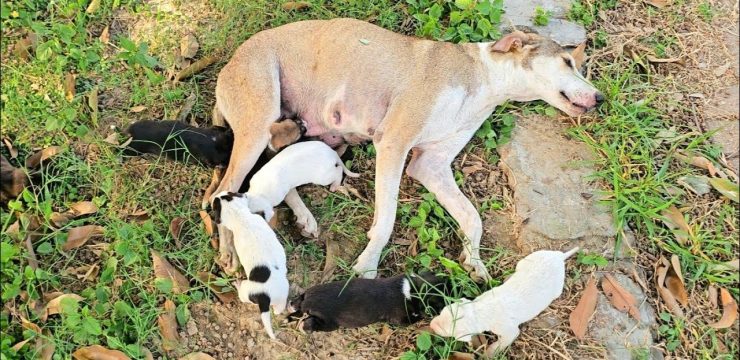
She was terrified that someone would take her puppies away and leave her behind.
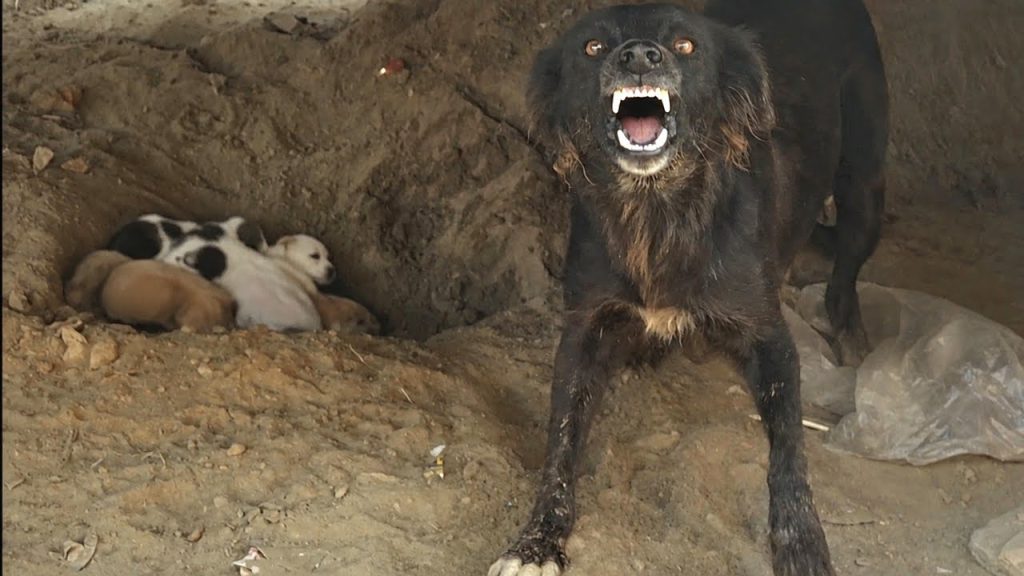
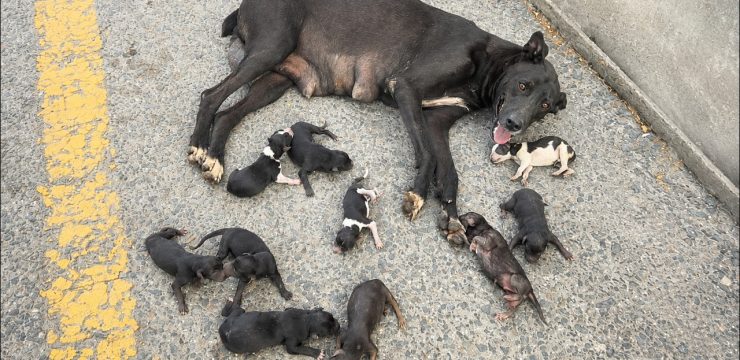
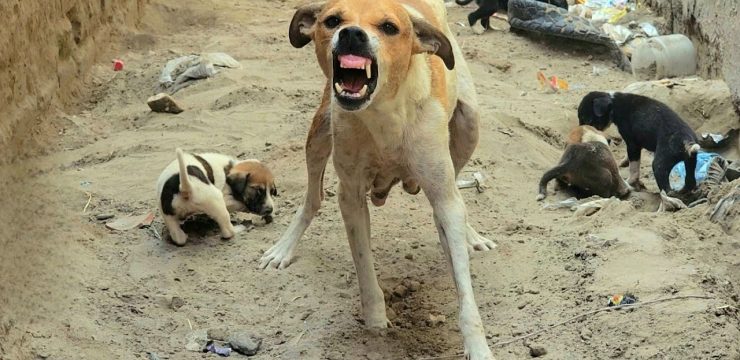
Every unfamiliar movement seemed to put this frightened mother dog on alert. She stayed close to her babies, determined to protect the little family that depended on her. What appeared to be aggression was actually something much more understandable: a mother's desperate need to keep her children safe.
The rescuers first encountered her while carrying out their regular feeding of stray dogs. They were accustomed to helping animals living without the security of a home, but this mother presented a particularly delicate situation. She was surrounded by puppies who relied entirely on her, and she had no reason to believe that approaching strangers would bring anything good.
Whenever the rescuers tried to come closer, she became defensive. She watched their movements carefully and refused to let them approach her puppies. Her reaction made one thing clear. Whatever help these strangers intended to offer, she was not ready to trust them.
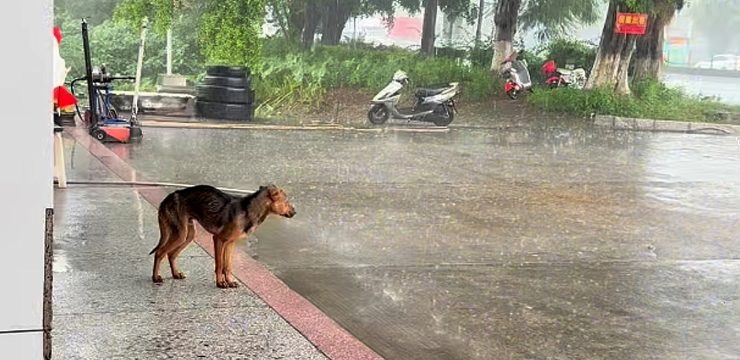
For a mother dog living on the streets, fear can become an essential part of survival. Without a safe home or someone to provide regular meals, she must look after herself while protecting the most vulnerable members of her family. Finding food is difficult enough for a stray animal. Finding it while caring for dependent puppies brings an entirely different burden.
Her babies could not understand the dangers surrounding them. They depended on their mother for protection, warmth, and care. She was their only dependable source of security in an uncertain world.
It would have been easy to misunderstand her behavior. A frightened dog who refuses human contact can appear unfriendly, especially when she reacts defensively to anyone approaching. But the rescuers recognized that her behavior was driven by fear and her responsibility as a mother, rather than an inherently aggressive nature.
She was not trying to make their work difficult. She was trying to keep her family together.
Instead of forcing an encounter, the rescuers made a compassionate decision. They would give her the time and space she needed to become comfortable with their presence. There would be no attempt to grab her puppies or pressure her into accepting help before she was ready.
They continued bringing food, approaching gently, and treating her with patience. Their voices remained soft, and their actions were careful. Rather than demanding her trust, they allowed her to discover their intentions through repeated experiences of kindness.
This approach required understanding something important about frightened animals. Trust cannot simply be expected because a person means well. An animal who has learned to be cautious needs consistent reasons to believe that a new situation is safe.
For this mother, the rescuers' steady presence gradually became something familiar. Food arrived without a demand for immediate affection. People approached without forcing themselves upon her puppies. The kindness she received did not come with the separation she seemed to fear.
Little by little, her behavior began to change.
The mother who had once reacted defensively became calmer around the people helping her. Her constant suspicion gradually softened. She was beginning to recognize that these visitors were not there to harm her family.
It was a meaningful change, particularly because it happened on her terms.
The rescuers had not overcome her fear through force. They had respected it. They understood that keeping the puppies safe mattered deeply to their mother, and they worked within the boundaries she was willing to accept.
That respect made all the difference.
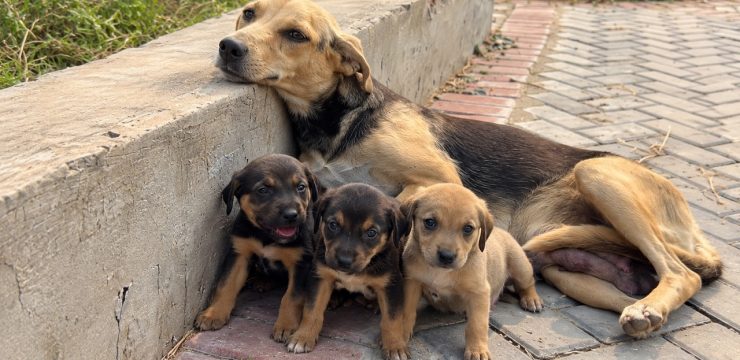
Eventually, the frightened mother allowed the rescuers to approach her puppies. More remarkably, she began introducing her precious babies to the very people she had previously tried so hard to keep away.
For anyone who has loved a dog, the significance of that moment is difficult to overlook. A mother who once saw approaching humans as a threat was now comfortable enough to let them near the animals she cherished most.
It was not simply a change in behavior. It represented the trust that patient, gentle care had helped establish between a vulnerable animal and the people trying to protect her.
The puppies had always been at the center of her concerns. From the first encounter, her determination to stay close to them had shaped every interaction. The rescuers understood that helping these little ones meant respecting the bond they shared with their mother.
That bond was never an obstacle to compassion. It was something worth protecting.
There is a special tenderness in the way a mother animal devotes herself to her young, even when her own circumstances are difficult. This stray mother had no comfortable home waiting for her, no guaranteed food supply, and no certainty about what the next challenge might bring. Yet her commitment to her puppies remained unmistakable.
Her story also reveals why rescuing frightened animals often requires more than good intentions. Offering assistance is important, but the way that assistance is offered can determine whether an animal feels safe enough to accept it.
A hurried approach might have deepened this mother's fear. Instead, the rescuers recognized that earning her confidence was an essential part of helping the family.
Their patience gave her an opportunity to experience human kindness without feeling that she had to surrender her role as a protective mother.
That is what makes this encounter so moving. The most important transformation was not a dramatic physical change or an extraordinary medical recovery. It was the gradual replacement of fear with trust.
The available account does not establish whether the mother and her puppies eventually entered permanent homes or what happened to them after these encounters. What it does establish is a meaningful turning point: a once-defensive mother accepted the presence of the people who had patiently cared for her.
That achievement deserves recognition on its own.
For animals living on the streets, a trusting relationship with compassionate people can open the door to further assistance. Every animal's circumstances are different, and not every rescue follows a simple path. But respectful care can make a profound difference in how a frightened animal responds to people offering help.
This mother dog reminds us that behavior we initially find difficult may have a reason we do not immediately understand. Behind her defensive reactions was a vulnerable family and a mother doing everything she could to protect it.
She did not need someone to overpower her fear. She needed people willing to understand it.
And that is exactly what these rescuers offered.
Their compassion was expressed through ordinary but meaningful actions: providing food, allowing space, returning consistently, and treating a protective mother with dignity. Nothing about their approach required dramatic gestures. Its strength came from patience and respect.
The beautiful change in this mother's behavior was the result of those simple acts of kindness.
Her journey from suspicion to acceptance carries a lesson that reaches beyond animal rescue. When we encounter a frightened or vulnerable living being, compassion asks us to look beyond the immediate reaction and consider what might be causing it.
Sometimes the greatest kindness is not rushing forward to help in the way we think is best, but understanding what the one receiving that help actually needs.
For this mother, that meant being allowed to remain close to her puppies while slowly discovering that the people around her could be trusted.
She began as a frightened stray determined to keep strangers away from her babies. She eventually became a mother willing to welcome those same people closer to her family.
No promise of a perfect future is needed to appreciate the importance of that change. The trust she offered was precious precisely because it had taken patience to earn.
Every mother deserves the chance to protect her young without living in constant fear. Every vulnerable animal deserves to be treated with kindness, whether trust comes easily or must be built gradually.
And sometimes, the most meaningful part of helping an animal is showing her that she does not have to face every challenge alone.